


YouTube SEO in 2026 has evolved dramatically. What was once a simple video platform is now a sophisticated AI-powered search and recommendation engine. Mastering YouTube SEO in 2026 is essential for creators, businesses, and marketers who want sustainable organic growth, higher rankings, and long-term channel authority.
Why YouTube SEO in 2026 Still Matters More Than Ever
Despite the rise of short-form platforms, YouTube continues to dominate as the go-to destination for intentional video consumption. Users turn to YouTube for in-depth tutorials, product reviews, educational content, skill-building guides, and entertainment that goes beyond quick scrolls.
YouTube SEO in 2026 focuses heavily on user intent. Unlike passive scrolling on other apps, people search with specific goals in mind. The algorithm rewards videos that deliver clear value, maintain attention, and encourage further exploration on the platform.
Channels that consistently satisfy search intent see compounding benefits: better rankings, increased impressions, higher watch time, and stronger recommendation push. Investing in YouTube SEO in 2026 strategies now positions your content for lasting success amid rapid AI advancements.
Evolution of YouTube Search: From Basic Keywords to Semantic Intelligence
Traditional YouTube optimization relied on exact keyword matches in titles, descriptions, and tags. In YouTube SEO in 2026, the platform uses advanced semantic understanding, behavioral analysis, and machine learning to interpret queries holistically.
Key Changes in 2026:
- Semantic Search: YouTube grasps full context and user intent rather than isolated words. A query like “best budget mirrorless cameras for travel vlogging 2026” is understood as a cluster involving device type, purpose, content style, and timeliness.
- Session-Based Ranking: Videos that spark longer platform sessions (viewers watching related content afterward) gain priority. This emphasizes value that keeps users engaged across multiple videos.
This shift means successful YouTube SEO in 2026 requires aligning content with real human needs, not just keyword lists.
YouTube’s 2026 Ranking Signals: A Complete Breakdown
Understanding the algorithm’s priorities is crucial for effective YouTube SEO in 2026. Signals are weighted differently:
Top Tier Signals (Highest Impact)
- Watch Time and Retention — Average percentage viewed often outweighs total views. Videos that hold attention signal quality.
- Search Intent Satisfaction — Does the video fully address the viewer’s goal? The algorithm tracks drop-offs, rewatches, and skips.
- Impression Click-Through Rate (CTR) — Strong thumbnails and titles drive clicks from search results and recommendations.
- User Satisfaction Signals — Likes, saves, shares, and positive watch patterns indicate value.
Mid-Tier Signals
- Engagement Metrics — Thoughtful comments, shares, and “Watch Later” additions, especially in the first hours/days.
- Session Duration Extension — Content that leads to more viewing time on YouTube.
- Search Relevance — Semantic match between metadata and user queries.
Secondary and Emerging Signals
- Channel Authority — Strong performance in a niche boosts new uploads.
- Viewer Loyalty — Returning subscribers and fans strengthen signals.
- Trend Relevance and Freshness — Timely content on rising topics can surge quickly.
- External Signals — Backlinks, embeds, and off-platform traffic provide indirect lifts.
- Multilingual and Localization — Captions and region-specific elements expand reach.
Prioritizing these in your YouTube SEO in 2026 efforts creates a solid foundation.
Step-by-Step YouTube SEO Blueprint for 2026 Success
Follow this proven workflow to optimize videos effectively.
Step 1: Semantic Intent Mapping Identify the problem, desired outcome, preferred format, and emotional drivers behind target queries. Categorize intents as informational, transactional, navigational, or inspirational.
Step 2: AI-Powered Keyword and Topic Research Leverage modern tools for intent prediction, topic clusters, and competitor insights. Focus on long-tail, hybrid phrases with clear purpose instead of broad terms.
Step 3: Metadata Optimization
- Titles: Place the main intent phrase early, use natural language, and add timeliness (e.g., “2026 Best Budget Mirrorless Cameras for Travel Vloggers”).
- Descriptions: Front-load key phrases in the first 100-150 characters, include timestamps, and add relevant context without stuffing.
- Tags: Use semantic variations and related phrases naturally.
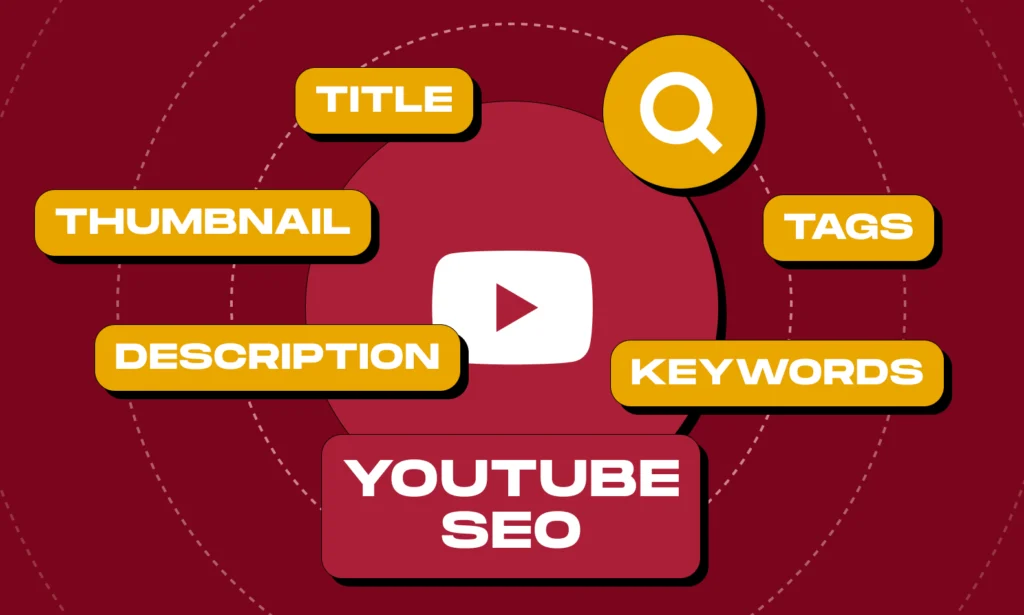
Step 4: Thumbnail Optimization Design high-contrast images with expressive faces, clear text overlays, and brand consistency. Test variations in YouTube Studio to improve CTR.
Step 5: Script and Video Structure for Maximum Retention
- Strong hook in the first 10 seconds that directly addresses the query.
- Deliver core value early.
- Use chapters, visual variety, pacing, and clear calls-to-action.
- Encourage comments and interaction.
Step 6: Boost Engagement Signals Prompt meaningful comments, promote saves/shares, and create content worth discussing.
Step 7: Build Playlists and Channel Authority Group related videos into topic-focused playlists. This increases session time and establishes expertise.
Step 8: Cross-Format Strategy (Long-Form + Shorts) Use Shorts for quick visibility and trend participation while relying on long-form for deep intent fulfillment. Both formats complement each other in YouTube SEO in 2026.
Advanced YouTube SEO Tactics for Competitive Edge
AI Tools for Optimization Modern AI assists with intent analysis, title suggestions, competitor breakdowns, and trend forecasting. Always combine with human creativity for authentic results.
Semantic Topic Clusters Create interconnected content around core topics. A fitness channel might cover beginner equipment, home setups, comparisons, common mistakes, and budget tips. This builds topical authority.
Multilingual SEO Add accurate captions in multiple languages (English + Hindi, Spanish, etc.) to reach global audiences and improve regional rankings.
Hyper-Local Optimization Incorporate location-specific terms for queries like “best laptops under 50,000 in India” to capture targeted traffic.
Predictive Optimization Monitor emerging trends across platforms and publish early to capture rising searches.
Tracking, Testing, and Continuous Improvement
Key YouTube SEO in 2026 KPIs include:
- Search impressions and CTR
- Average view percentage
- Audience retention graphs
- Session contribution
- Engagement rates
Implement an experiment framework: test thumbnails, titles, hooks, and structures over 48-72 hours. Use data to iterate rather than guess.
Common YouTube SEO Mistakes to Avoid in 2026
- Keyword stuffing instead of natural optimization
- Ignoring retention curves
- Over-focusing on views instead of satisfaction
- Skipping chapters and timestamps
- Weak thumbnails
- No strategic planning before uploading
- Blindly copying competitors
- Neglecting multilingual features
- Failing to analyze analytics regularly
Actionable Final Checklist for YouTube SEO in 2026
- Research intent deeply before creating
- Build semantic topic clusters
- Optimize titles and descriptions for meaning and clarity
- Create scroll-stopping thumbnails
- Structure videos for high retention
- Use playlists strategically
- Add multilingual captions
- Test and refine based on performance data
- Combine Shorts with long-form content
- Monitor session impact
- Stay consistent with quality uploads
- Focus on viewer value above all
Frequently Asked Questions
1. What is the most important ranking factor in 2026?
Audience retention and watch time percentage remain king, as they strongly indicate satisfaction.
2. Are keywords still important?
Yes, but within semantic clusters and intent contexts rather than rigid matching.
3. How quickly can new videos rank?
Strong early performance on intent-matching videos can lead to ranking within hours for targeted queries.
4. Do longer videos always perform better?
Not automatically. Quality retention and value delivery matter more than length.
5. How does YouTube define satisfaction?
Through a mix of engagement (likes, comments, saves), watch patterns, and session extension.
6. Should I prioritize Shorts or long-form?
Both serve different purposes. Use Shorts for discovery and long-form for authority and deeper searches.
7. How do playlists help SEO?
They boost session time, reinforce topical authority, and improve discoverability.
8. Do captions help rankings?
Absolutely especially multilingual ones that expand your reachable audience.
9. Are tags still useful?
They provide helpful context but have less weight than titles, descriptions, and performance signals.
10. What retention rate is good?
Aim for 50-60%+ on long-form and higher on Shorts, depending on niche.
Conclusion
In conclusion, mastering YouTube SEO in 2026 is no longer optional but essential for anyone serious about sustainable channel growth, higher rankings, and long-term success on the platform. By focusing on semantic intent, exceptional viewer retention, compelling thumbnails, strategic metadata, topic clusters, and data-driven optimization, you can position your videos to thrive in both YouTube Search and recommendation feeds. The algorithm now rewards genuine value, audience satisfaction, and content that keeps users engaged longer. Start implementing these proven strategies today, stay consistent, test what works for your niche, and watch your organic reach compound over time. At HelpMeInSEO, we specialize in helping creators and businesses navigate the latest YouTube algorithm updates with customized, results-oriented SEO strategies. Take your YouTube channel to the next level in 2026 the opportunity is yours to seize.