



What is SEO? Search Engine Optimization, or SEO, represents a fundamental digital marketing strategy designed to enhance a website’s visibility on search engines. At Help Me in SEO, we specialize in guiding businesses through the intricacies of this practice to achieve better rankings and drive meaningful traffic.Whether you’re a beginner or looking to refine your approach, understanding what is SEO can transform your online presence.
Table of Contents
- How Does SEO Differ from SEM and PPC?
- Why Is SEO Essential for Businesses?
- Exploring Types of SEO and Specialized Areas
- The Mechanics Behind How SEO Functions
- The Ongoing Evolution of SEO Practices
- SEO as a Professional Service
- Effective Ways to Learn SEO
- Frequently Asked Questions About SEO
Dive into the fundamentals of what is SEO, including its core principles, significance, diverse categories, and beyond.
How Does SEO Differ from SEM and PPC?
Understanding what is SEO requires distinguishing it from related concepts like SEM and PPC, which are often discussed in digital marketing circles. These terms overlap but serve distinct roles in driving online visibility.
SEM, or search engine marketing, encompasses a broader category of digital marketing tactics aimed at increasing a website’s presence through search engines. It combines organic efforts with paid strategies to attract visitors. In essence, SEM acts as an overarching framework that includes both unpaid and paid channels to optimize search performance.
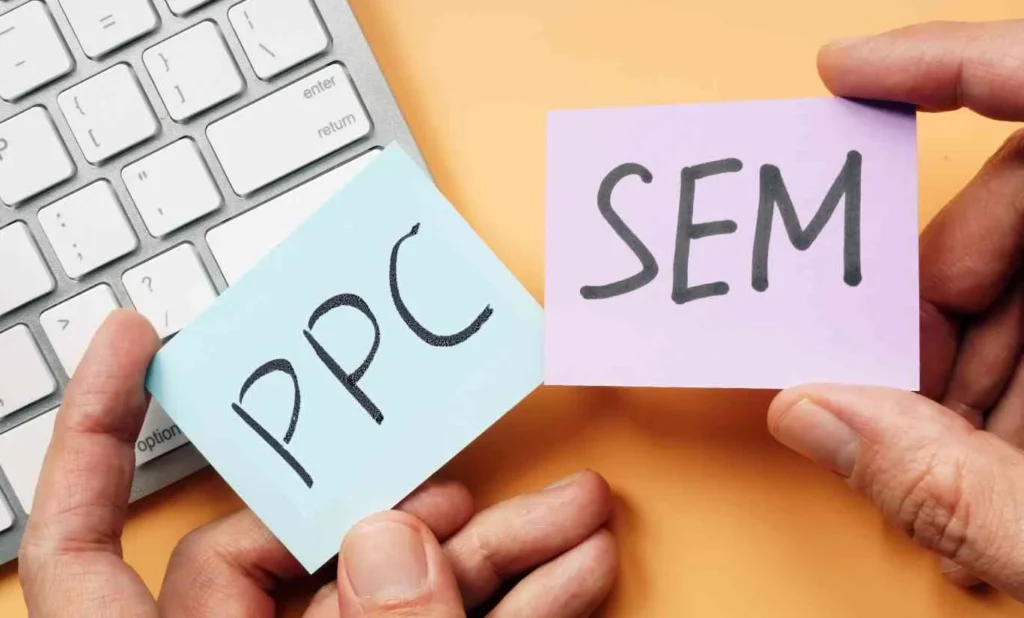
In contrast, what is SEO focuses specifically on organic, unpaid methods to improve rankings. It involves refining website elements to align with search engine algorithms, encouraging natural traffic growth without direct payment for clicks. SEM builds on this by incorporating PPC, where businesses pay for ad placements.
PPC, standing for pay-per-click, is a model where advertisers compensate search engines each time a user clicks on their sponsored listings. This approach allows for immediate visibility by bidding on targeted keywords. When someone searches for those terms, the ad appears prominently in results, often above organic listings.
To visualize the relationship: picture SEM as a complete system. What is SEO forms one core component, emphasizing long-term, cost-effective growth through content and technical improvements. PPC represents the other side, offering quick wins but requiring ongoing investment. Together, they complement each other SEO builds sustainable authority, while PPC provides rapid exposure.
A common debate arises around “SEO vs. PPC” in terms of value. However, they aren’t rivals; instead, they work synergistically. For instance, data from PPC campaigns can inform SEO keyword strategies, revealing high-converting terms. Conversely, strong SEO reduces reliance on paid ads over time. At Help Me in SEO, we recommend integrating both for optimal results, especially if budgets permit.
It’s worth noting that industry terminology can vary. Some use SEM interchangeably with PPC, excluding organic efforts. However, in precise contexts, SEM includes all search-related marketing, with what is SEO as a vital subset. Clarifying these differences ensures businesses allocate resources effectively, avoiding confusion in strategy development.
Why Is SEO Essential for Businesses?
What is SEO‘s role in modern business? It’s a powerhouse channel that fuels growth by connecting websites with eager audiences. Organic search accounts for a substantial portion of web traffic, making it indispensable for brands aiming to thrive online.
Search engines dominate how people discover information, products, and services. Billions of queries occur daily across platforms, with a leading engine holding the majority of the market share. This vast reach positions what is SEO as a gateway to potential customers actively seeking solutions.
The process begins when users input queries whether typed, voiced, or image-based into search interfaces. These searches span various intents: informational (learning about a topic), navigational (finding a specific site), transactional (making a purchase), or commercial (researching options). What is SEO ensures your content aligns with these intents, positioning your site as a top result.
Fragmentation in search behaviors adds complexity. Consumers don’t limit themselves to traditional engines; they explore social networks, video platforms, and e-commerce sites. For example, many shoppers initiate product hunts on major retail platforms rather than general search engines. Social media channels also serve as discovery hubs, particularly for younger demographics who favor short-form video content for quick answers.
This diversity underscores why what is SEO matters: it optimizes for multiple touchpoints. High rankings translate to increased visibility, fostering trust and authority. Users perceive top results as credible, influencing decisions and boosting conversions.
Competition intensifies the need for robust SEO. Results pages brim with features like knowledge graphs, image carousels, video embeds, and question boxes, alongside paid ads. Standing out requires strategic optimization to capture these spots.
Unlike paid channels, where traffic halts upon campaign end, what is SEO delivers enduring benefits. Well-optimized content continues attracting visitors, compounding returns. It integrates with holistic marketing, informing campaigns, content creation, and social strategies.
Ultimately, what is SEO drives tangible outcomes: higher traffic, leads, sales, and brand loyalty. It builds a foundation of trust, as engines prioritize authoritative sites. For businesses of any scale, ignoring SEO means ceding ground to competitors who embrace it.
Exploring Types of SEO and Specialized Areas

What is SEO in terms of its varieties? It encompasses several categories, each addressing unique aspects of optimization. Think of it as a multifaceted discipline, with technical, on-page, and off-page elements forming the core, alongside niche specializations.
Technical SEO focuses on backend enhancements to ensure search engines can efficiently crawl, index, and render sites. This includes optimizing site architecture, such as clear URL structures, intuitive navigation, and robust internal linking. Speed plays a pivotal role engines favor fast-loading pages that deliver seamless experiences across devices.
User-centric factors like mobile responsiveness, secure protocols, and non-intrusive designs are crucial. Structured data markup enriches content, enabling enhanced displays in results, such as rich snippets. Hosting choices and content management systems also influence performance, demanding careful selection.
On-page SEO, or content optimization, tailors visible elements for both users and algorithms. It involves crafting valuable, original material that resonates with audiences while incorporating relevant terms naturally. Key practices include using descriptive titles, compelling meta descriptions, hierarchical headings, and alternative text for visuals.
Quality reigns supreme: content should address user needs, offer fresh insights, and surpass competitors. Multimedia integration images, videos, infographics enhances engagement. Readability matters too, with concise paragraphs, lists, and formatting aiding comprehension.
Off-page SEO extends beyond the site, building external signals of credibility. Link acquisition from reputable sources signals trustworthiness, but quality trumps quantity. Strategies involve creating shareable assets like in-depth guides, studies, or tools that naturally attract backlinks.
Brand development amplifies this: through public relations, content syndication, social engagement, and directory listings. Monitoring reviews and maintaining consistent information across platforms bolsters reputation.
Specialized SEO branches cater to specific scenarios. E-commerce SEO optimizes product listings, categories, and navigation for shopping intents, incorporating reviews and schema for better visibility. Enterprise SEO scales efforts for massive sites, navigating stakeholder approvals and vast page counts.
International SEO adapts for global audiences, handling multilingual content and regional engines. Local SEO targets geographic queries, emphasizing business profiles, citations, and reviews for nearby visibility. News SEO prioritizes timeliness, structuring articles for quick indexing and featured placements.
Each type interlinks, requiring a balanced approach.
The Mechanics Behind How SEO Functions
What is SEO’s operational framework? It operates through interconnected components: people, processes, technology, and activities, all geared toward earning prominent placements.
Search engines process queries in stages: crawling discovers pages via links and maps; rendering interprets code for visual representation; indexing stores analyzed content; ranking evaluates relevance using signals.
Optimization influences these stages. For web engines, algorithms assess hundreds of factors, including content quality, backlinks, and user signals. Machine learning refines this, personalizing results based on behavior.
Research underpins success. Audience analysis identifies demographics, needs, and queries. Keyword exploration uncovers terms with viable demand and competition. Competitor audits reveal gaps, while business goals align efforts.
Planning outlines strategies: defining objectives, metrics, timelines, and resources. Implementation involves content creation, page enhancements, and removals of underperforming material.
Monitoring detects issues like downtime or drops, using tools for alerts. Analysis leverages analytics to track progress, informing adjustments.
What is SEO demands ongoing vigilance engines update algorithms, users shift habits, competitors adapt. This cycle ensures sustained performance.
The Ongoing Evolution of SEO Practices
What is SEO in an ever-changing landscape? It adapts to technological and societal shifts, remaining dynamic.
Technological advancements reshape practices. AI integrations summarize results, requiring content suited for generative outputs. Mobile dominance mandates responsive designs, while speed expectations escalate with connectivity improvements.
Societal factors influence too. Economic fluctuations alter consumer behaviors, prompting strategy pivots. Global events accelerate digital reliance, amplifying SEO’s role.
As engines evolve features like voice search or visual queries practitioners innovate. What is SEO thus mirrors broader progress, demanding agility.
SEO as a Professional Service

What is SEO as a career? It’s a burgeoning field, with markets expanding rapidly due to search’s ubiquity.
Professionals “do” SEO, optimizing sites, or “are” SEOs, holding titles with varied responsibilities. Skills span data analysis, content creation, and technical expertise.
Entry barriers are low, lacking standardized qualifications, but free tools like analytics consoles provide foundations. Specialized checkers for keywords, traffic, and authority aid beginners.
Demand stems from businesses needing expertise to navigate complexities.
Effective Ways to Learn SEO
What is SEO learning entail? It involves continuous education through resources, habits, and experiences.
Stay updated via news, blogs, and events. Algorithms and behaviors evolve, necessitating vigilance.
Practical steps: experiment on personal sites, join communities, pursue certifications. Tools and courses build proficiency.
Mastering what is SEO unlocks opportunities, fostering expertise in this vital domain.
Frequently Asked Questions About SEO
1.What is SEO?
SEO, or Search Engine Optimization, is the practice of improving your website’s visibility in organic (unpaid) search engine results to attract more relevant traffic.
2.How does SEO differ from SEM and PPC?
SEO focuses on earning organic traffic through optimizations. SEM (Search Engine Marketing) includes both SEO and paid efforts. PPC (Pay-Per-Click) is purely paid advertising where you pay for each click on your ads.
3.Why is SEO important?
SEO drives the majority of website traffic for many sites, builds long-term visibility, establishes trust and authority, and delivers sustainable results compared to paid channels that stop when budgets end.
4.How long does it take to see SEO results?
Initial improvements can appear in weeks, but significant rankings and traffic growth typically take 3-6 months or longer, depending on competition and site authority.
5.Is SEO still effective with AI search changes?
Yes, SEO remains essential. While AI overviews and generative search are rising, optimizing for user intent, quality content, and authority helps sites get featured in AI responses and traditional results.
6.What are the main types of SEO?
The core types are Technical SEO (site structure and performance), On-Page SEO (content and elements on individual pages), and Off-Page SEO (backlinks and brand signals).




Leave a Comment