



SEO Myths 2025 continue to confuse marketers and business owners, with outdated advice circulating faster than ever in this dynamic digital landscape. From claims that search optimization is obsolete to misconceptions about artificial intelligence dominating everything, it’s essential to cut through the noise. If you’re aiming to improve your site’s visibility, draw in more unpaid visitors from engines like Google, and establish lasting credibility, distinguishing factual strategies from false beliefs is key. In this detailed exploration, we’ll dismantle common SEO myths 2025 one at a time, backed by current data and practical insights.
SEO Is Obsolete (Why It Remains Vital)
One of the most persistent SEO myths 2025 is the notion that search optimization has become irrelevant. This idea has been recycled since the dawn of major algorithm changes, yet evidence shows otherwise. Recent statistics from Statcounter indicate that Google still commands around 89.89% of the global search market as of mid-2025, underscoring its dominance in directing web traffic.
In reality, search optimization has transformed from manipulative tactics like excessive keyword repetition and dubious link acquisition to a focus on delivering genuine value to users. For businesses, this means prioritizing content that aligns with searcher needs, leading to sustained exposure and growing audience engagement over time. Unlike paid campaigns that halt when funding stops, effective search strategies provide ongoing benefits, reducing dependency on advertisements.
Far from being outdated, search optimization adapts to modern behaviors, ensuring sites remain competitive in an ever-changing online environment. Ignoring it in 2025 would mean missing out on the majority of web discoveries, as most journeys begin with a query on platforms like Google.
Artificial Intelligence Tools Won’t Supplant Traditional Search

Among SEO myths 2025, the fear that AI systems like advanced chatbots will entirely replace conventional search engines stands out. While these technologies have revolutionized quick information retrieval, data from sources like First Page Sage reveals Google handles about 81.6% of digital queries globally in 2025, with AI alternatives capturing only a fraction.
Users often turn to AI for casual brainstorming or summaries, but for reliable, current details—such as product reviews or local services—they prefer established search platforms that verify sources. Savvy professionals are integrating AI into their workflows, using it for tasks like identifying search terms, generating ideas, or refining drafts, all while adhering to engine guidelines.
Rather than viewing AI as a threat, consider it a complement that streamlines processes without undermining the core principles of ranking well. In 2025, combining human oversight with AI assistance leads to more efficient campaigns.
Depth Over Volume: Dispelling Content Size Misconceptions
A widespread belief among SEO myths 2025 is that extended articles inherently outperform shorter ones in rankings. However, analyses from Backlinko and similar studies in 2025 emphasize that while leading pages often average 1,500 to 2,500 words, it’s the comprehensiveness, not the sheer volume, that drives success.
Engines prioritize material that fully addresses user queries. For instance, a brief tutorial on fixing a common issue might surpass a lengthy, unfocused essay if it provides clear, actionable steps. The goal should be to explore topics thoroughly, incorporating related aspects, real-world illustrations, and potential follow-ups to enhance usefulness.
In practice, focus on creating pieces that resonate: use structured formats, visuals, and data to maintain interest. Tools like content analyzers can help gauge effectiveness beyond mere length, ensuring your work aligns with what audiences seek in 2025.
No-Click Results Aren’t Destroying Optimization Efforts
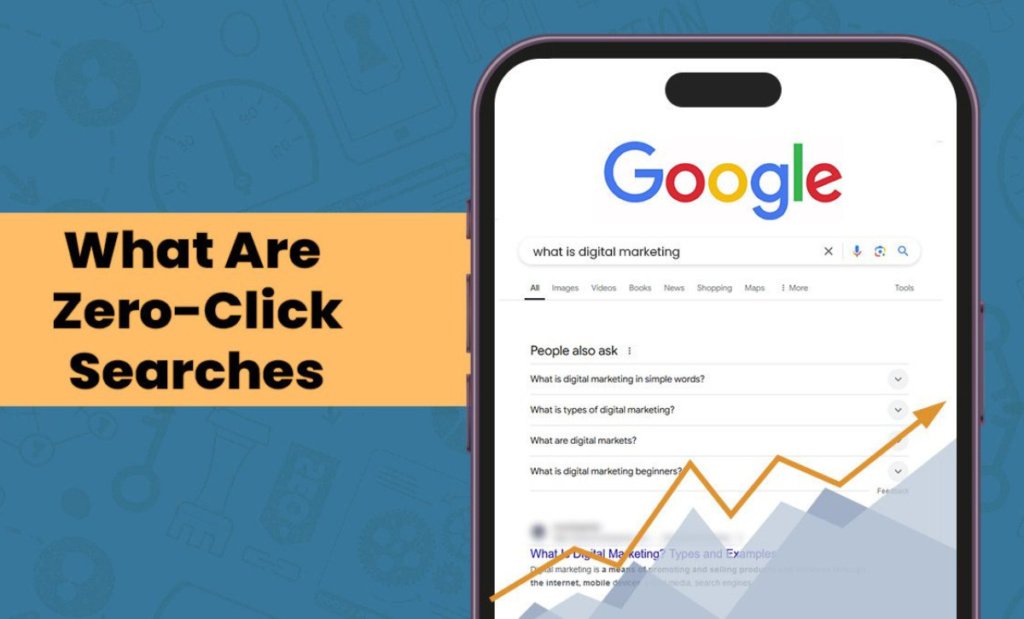
SEO myths 2025 often exaggerate the impact of no-click queries, where answers appear directly on results pages. According to a 2025 report from Search Engine Land, zero-click rates have risen to around 43.5% in regions like the EU and UK, but this doesn’t spell doom for traffic generation.
These instances typically involve straightforward requests, such as time conversions or basic facts. For deeper topics—like buying guides or expert advice—people continue to engage with links. This presents a chance: by targeting positions in highlighted excerpts, question expansions, or regional directories, you secure exposure even without immediate visits.
Optimizing for these features builds recognition and trust, potentially leading to future interactions. View no-click scenarios as promotional spots rather than lost opportunities in your 2025 strategy.
Expertise Framework Isn’t a Core Ranking Element
In the realm of SEO myths 2025, the idea that Google’s expertise, experience, authority, and trust (E-E-A-T) directly determines positions is misleading. This concept stems from evaluation manuals used by human reviewers, not as a algorithmic variable like page speed or mobile compatibility.
Instead, it influences through indirect indicators: detailed creator profiles, reliable sources, and a strong online presence. For example, a health site with certified authors and cited studies signals reliability, which can positively affect perceptions.
To leverage this, emphasize building authentic signals—collaborate with industry leaders, gather endorsements, and maintain consistency across platforms. While not a direct factor, fostering these elements strengthens overall performance in 2025.
Quantity of Links Doesn’t Guarantee Superiority

Another entry in SEO myths 2025 is the pursuit of numerous inbound links without regard for origin. Quality trumps volume; a single endorsement from a respected, topic-aligned domain—such as a major industry publication—carries more weight than dozens from irrelevant or subpar sources.
Engine policies explicitly warn against artificial link networks, which can trigger penalties. Prioritize natural acquisitions through compelling material, partnerships, and outreach.
Strategies include:
- Crafting shareable resources like infographics or reports
- Participating in expert roundups
- Earning mentions via public relations efforts
In 2025, ethical link development focuses on relevance and value, enhancing site stature sustainably.
Page Descriptions Retain Relevance—With a Twist
SEO myths 2025 sometimes downplay meta elements, claiming they’re obsolete for positioning. While not a primary influencer like core content, titles and summaries significantly impact engagement rates from results pages.
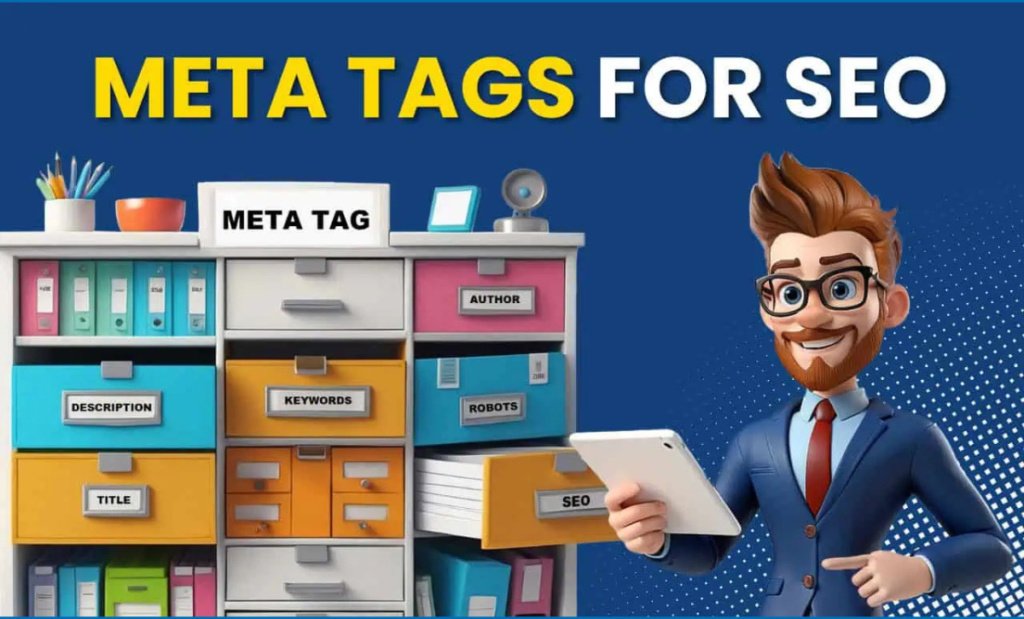
An enticing headline paired with a persuasive overview can elevate interaction from low single digits to over 10%, indirectly boosting signals. Craft them to include key phrases naturally, highlight advantages, and encourage action.
Treat these as your initial outreach in search listings, optimizing for both humans and algorithms in 2025.
Platform Shares Aren’t Primary Positioning Drivers
Social interactions form part of SEO myths 2025, with some believing likes and reposts directly elevate standings. Official statements confirm they’re not algorithmic components, but dismissing social channels overlooks their ancillary benefits.
Amplified reach can lead to:
- Increased awareness and referrals
- Opportunities for organic endorsements
- Quicker content discovery by crawlers
Use social as a amplification tool: distribute updates, engage communities, and foster conversations that support broader goals in 2025.
Spoken and Portable Queries Are Here to Stay
Dismissing voice-activated and on-the-go searches as temporary trends is among SEO myths 2025. Statista data shows over 60% of U.S. queries originate from portable devices in 2025, with voice interfaces like assistants becoming standard.
Adapt by:
- Incorporating natural language phrases
- Prioritizing rapid, adaptive designs
- Formatting for concise, verbal responses
Neglecting these in 2025 means forfeiting a growing segment of potential reach.
Optimization Requires Constant Attention—Not a Single Effort
A common pitfall in SEO myths 2025 is viewing it as a finite task. Algorithms update frequently, rivals evolve, and preferences change, demanding ongoing vigilance.
Approach it as maintenance: regular audits, refreshes, and adjustments keep momentum. In 2025, consistency separates leaders from laggards.
Bonus Misconceptions
Rapid clarifications:
- Automated Text Sanctions: Engines target poor quality, not creation methods.
- Proximity Phrases: Location detection handles many without explicit terms.
- Aged Material Equals Irrelevant: Revamps sustain viability for timeless topics.
Engaging Myth Challenge: “Fact or Fiction?”
Incorporate an interactive element where visitors select if assertions like “Links are irrelevant” hold truth, with immediate feedback to spark participation.
Key Insights
- Search strategies adapt, persisting strongly.
- Intelligence tools augment, not override, engines.
- Substance prevails over extent.
- Direct-answer displays offer branding avenues.
- Connections, trust signals, and summaries influence subtly.
Closing Reflections:
To navigate SEO myths 2025 effectively and implement proven tactics, sign up for HelpMeInSEO updates for actionable advice delivered regularly.
For those eager to apply these learnings, discover our optimization offerings in your area and experience enhanced positioning, influx, and expansion.
FAQs on SEO Myths 2025
Q1. Why do SEO Myths 2025 keep circulating in the digital marketing world?
A: SEO Myths 2025 persist due to rapid changes in algorithms, outdated advice, and misinformation spread through forums or social media. Staying updated with reliable sources, like HelpMeInSEO’s blog, helps you focus on proven strategies. Regular learning ensures you avoid tactics based on myths like “SEO is dead” or “AI replaces Google.”
Q2. Can small businesses ignore SEO Myths 2025 and still rank well?
A: Small businesses can’t afford to ignore SEO Myths 2025, as following outdated practices wastes time and resources. By debunking myths and focusing on quality content, relevant links, and mobile optimization, small businesses can rank higher and attract local or niche audiences effectively using tools from HelpMeInSEO.
Q3. How do SEO Myths 2025 impact my website’s performance?
A: Believing SEO Myths 2025, like prioritizing link quantity over quality, can lead to penalties or poor rankings. Correct strategies—such as optimizing for user intent, building trust signals, and maintaining fresh content—improve visibility and engagement. Use HelpMeInSEO’s free audit to identify and fix issues based on 2025 best practices.
Q4. Are AI tools a threat to SEO Myths 2025 strategies?
A: AI tools don’t threaten SEO Myths 2025 strategies; they enhance them when used correctly. AI can streamline keyword research or content creation, but ranking still requires aligning with search engine guidelines. Combine AI with HelpMeInSEO’s tools to create effective, myth-free campaigns that drive traffic in 2025.
Q5. How long does it take to overcome the effects of SEO Myths 2025?
A: Overcoming SEO Myths 2025 depends on the issue—fixing low-quality links or content may take 3-6 months to reflect in rankings. Regular audits, content updates, and ethical link-building, supported by HelpMeInSEO’s analytics, can accelerate recovery and ensure long-term success in 2025’s competitive landscape.
Q6. Do social media signals affect SEO Myths 2025 outcomes?
A: Social media signals don’t directly impact rankings, debunking a common SEO Myths 2025 belief. However, they amplify visibility, drive traffic, and encourage natural backlinks, indirectly boosting SEO. Leverage platforms to share content and use HelpMeInSEO’s insights to track resulting traffic improvements in 2025.
Q7. Is content length a critical factor in SEO Myths 2025?
A: Content length is one of the SEO Myths 2025 misconceptions—depth matters more. Comprehensive, intent-driven content ranks better, whether 500 or 2,000 words. Use HelpMeInSEO’s Content Optimizer to ensure your pages meet user needs and rank higher in 2025 search results.
Q8. How can I stay updated on SEO Myths 2025 to avoid pitfalls?
A: To avoid SEO Myths 2025, subscribe to HelpMeInSEO’s newsletter for the latest tips and algorithm updates. Regularly check Google Search Console and industry blogs to stay informed, ensuring your strategies remain effective and aligned with 2025’s evolving search landscape.




Leave a Comment