




Mastering AI search optimization is crucial for ensuring your content stands out in an era where users turn to advanced systems for quick, synthesized answers. As search behaviors evolve, AI search optimization helps position your brand as a trusted source across platforms that deliver instant insights. In this comprehensive guide from Help Me In SEO, we explore the fundamentals of AI search optimization, its differences from traditional methods, and practical steps to enhance your presence. Whether you’re new to the concept or looking to refine your approach, these strategies will help you achieve better citations and recommendations.
Understanding AI Search Optimization
AI search optimization involves tailoring your content to be frequently referenced and highlighted by sophisticated language models. These include systems that generate responses based on user queries, such as summarized overviews or conversational answers. The goal is to make your material a go-to reference, ensuring it appears prominently in outputs from various AI-driven platforms.
This practice, often referred to as generative engine optimization, shifts the focus from ranking high in standard search results to earning citations in AI-generated content. It emphasizes creating material that AI systems can easily extract, synthesize, and attribute. Platforms where AI search optimization plays a key role include those providing AI-generated summaries above organic results, citations in chat-based responses, source attributions in research-oriented queries, and references in conversational search experiences.

To succeed in AI search optimization, it’s essential to grasp how these platforms select and prioritize sources. They evaluate content based on relevance, authority, and clarity. Your aim should be to become the preferred citation, ideally appearing as the first or primary source mentioned. This requires a strategic approach to content creation, where every piece is designed with AI consumption in mind.
Consider the process: When a user poses a direct question, the AI system scans vast amounts of data, pulling from reliable sources to form a cohesive answer. If your content aligns well with the query through clear structure, factual depth, and unique insights it increases the chances of inclusion. For instance, if you’re in the digital marketing space, optimizing for queries like “effective ways to boost email engagement” means providing precise, data-backed advice that AI can reference seamlessly.
AI search optimization isn’t just about visibility; it’s about building long-term authority. When your content is cited repeatedly, it reinforces your brand’s expertise, even if users don’t always click through to your site. This indirect exposure can lead to increased trust and eventual conversions.
Key Differences Between AI Search Optimization and Traditional SEO
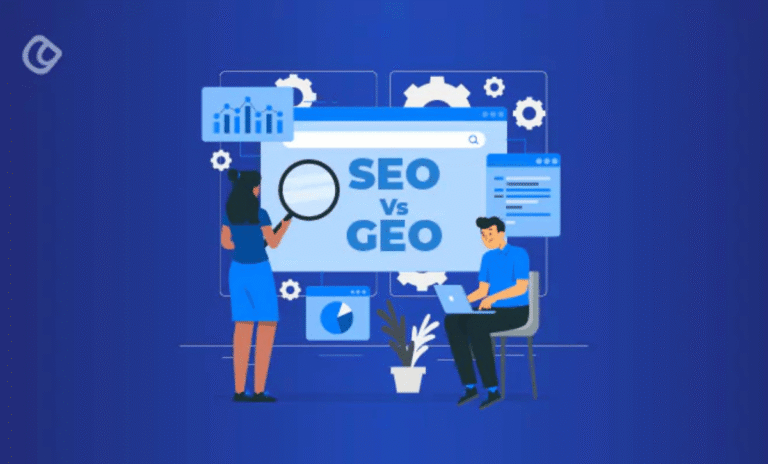
While AI search optimization shares some principles with traditional SEO, the two approaches diverge in significant ways. Traditional SEO primarily targets higher rankings in search engine results pages, focusing on elements like keywords, backlinks, and page speed to drive direct traffic. In contrast, AI search optimization prioritizes earning mentions and citations in AI responses, where the system acts as an intermediary.
One major distinction lies in user interaction. In traditional searches, people often input short keyword phrases and browse through links. With AI, users ask complete, conversational questions, expecting a synthesized answer without needing to visit multiple sites. This means AI search optimization must cater to natural language processing, ensuring content answers queries directly and holistically.
Another difference is the emphasis on brand awareness over raw traffic. Being cited in an AI response builds credibility, as users associate your brand with reliable information. Traditional SEO might bring visitors to your site, but AI citations educate them beforehand, potentially shortening the sales cycle.
AI systems also combine information from multiple sources, creating a single, comprehensive reply. This requires content that’s modular and quotable, rather than a monolithic page optimized for clicks. For example, instead of burying key insights deep in an article, AI search optimization demands upfront, standalone sections that can be extracted easily.
To illustrate these differences, here’s a comparison in table form:
| Aspect | Traditional SEO | AI Search Optimization |
|---|---|---|
| Primary Goal | Achieve high rankings for traffic | Earn citations and mentions for authority |
| User Query Style | Short keywords (e.g., “SEO tips”) | Full questions (e.g., “How to improve SEO for e-commerce?”) |
| Content Focus | Comprehensive pages for user navigation | Modular, direct answers for extraction |
| Success Metric | Click-through rates and visits | Frequency of citations and positioning |
| Competition Landscape | Saturated with established sites | Emerging opportunity for niche players |
| Impact on Brand | Direct traffic builds awareness | Indirect citations enhance trust |
This table highlights how AI search optimization demands a mindset shift. Marketers often wonder if it’s merely an extension of existing practices or a distinct field. In reality, while foundational elements like quality content overlap, AI-specific tactics such as optimizing for synthesis set it apart.
Why Prioritizing AI Search Optimization Matters Now
AI search optimization represents a pivotal shift in digital visibility, offering untapped potential for brands. As AI-driven searches grow, they provide a channel where competition is less intense compared to traditional results pages. This allows even smaller sites to gain prominence by focusing on AI-friendly content.
One compelling reason to invest in AI search optimization is the superior conversion rates from AI-referred visitors. These users arrive more informed, having received synthesized insights that include your citations. This pre-education makes them more likely to engage meaningfully with your offerings.
Moreover, AI search optimization taps into evolving user habits. People increasingly rely on AI for quick, reliable answers, bypassing traditional browsing. If your content isn’t optimized, it risks invisibility, while competitors who adapt reap the benefits. For businesses, this means AI visibility can directly influence revenue by keeping your brand top-of-mind.
Experts in the field emphasize that true growth comes from organic strategies encompassing AI search optimization. Building relative fame within your market through consistent citations positions your brand as an authority. This is especially valuable in niches where traditional search volumes are plateauing.
The opportunity in AI search optimization lies in its nascent stage. Platforms crave high-quality sources, and by optimizing now, you can secure a foothold before saturation occurs. This proactive approach can lead to sustained advantages, as AI systems favor established, reliable citations over time.
Step-by-Step Guide to Implementing AI Search Optimization
Implementing AI search optimization doesn’t require a complete strategy overhaul. Many core principles align with best practices, but targeted adjustments can yield quick results. Below, we outline detailed steps to enhance your AI visibility, drawing from proven tactics at Help Me In SEO.
1. Ensure AI Systems Can Access Your Content
The foundation of AI search optimization is accessibility. AI crawlers must be able to reach and index your pages without barriers. Begin by reviewing your robots.txt file, typically found at yourdomain.com/robots.txt. This file dictates which bots can access your site.

Look for directives that might disallow common AI crawlers. If present, these blocks prevent your content from being considered for citations. To verify, perform searches for your brand or topics on major AI platforms. If your pages rarely appear, accessibility issues could be the culprit.
Common barriers include:
- Paywalls or login requirements that restrict crawler access.
- Heavy reliance on JavaScript, which some crawlers struggle to navigate.
- Incorrect canonical tags leading to duplicate content issues.
- Slow server response times or errors that deter indexing.
To address these, conduct audits on your top pages. Use tools to simulate crawler behavior and ensure smooth access. For instance, test by querying exact page titles on AI systems if they don’t surface, refine your technical setup.
2. Incorporate Specific Data and Statistics
Enhancing content with precise statistics is a high-impact tactic in AI search optimization. AI systems prefer factual, sourced information over vague claims, as it provides verifiable evidence for their responses.
Identify your strongest articles those already performing well and integrate relevant data. For example, replace general statements with specifics like “Studies show email marketing yields a strong return on investment, with benchmarks indicating high engagement rates from targeted campaigns.” Always attribute sources to build credibility.
Analysis shows that content featuring such data earns more citations. This is because AI can easily pull and reference these elements when constructing answers. To implement, dedicate time to research reputable sources for 3-5 stats per article. This not only boosts AI appeal but also enriches user value.
3. Research Topics on AI Platforms
A proactive step in AI search optimization is testing queries on the platforms themselves. Pose questions your audience might ask and analyze the responses. Note cited sources, their structures, and phrasing.
This reveals content gaps where competitors dominate. For example, if a query about “improving site speed” cites rivals but not you, it’s a signal to create or update matching content. Observe patterns: Do top sources use lists, definitions, or examples? Mirror these in your work.
Perform this across multiple platforms to gather comprehensive insights. Document findings, such as heading styles or data formats, and apply them. This iterative process refines your AI search optimization efforts, ensuring alignment with platform preferences.
4. Structure Content for Easy Extraction
AI search optimization thrives on structured content that delivers direct answers. Use question-based headings to match user queries, followed by immediate, complete responses.
For instance, a heading like “What Strategies Improve Website Performance?” should start with a concise summary: “Key strategies include image optimization, caching, and code minification.” Then expand with details.
This modular approach allows AI to extract sections independently. Avoid narrative builds that require full context; instead, make each part self-contained. Rewrite existing content accordingly, focusing on clarity and brevity in openings.
5. Create Quotable and Authoritative Elements
To excel in AI search optimization, make your content easy to quote. Include expert insights, case studies, and examples with specific metrics. For example, detail a scenario: “In one client project, optimizing images reduced load times significantly, leading to higher engagement.”
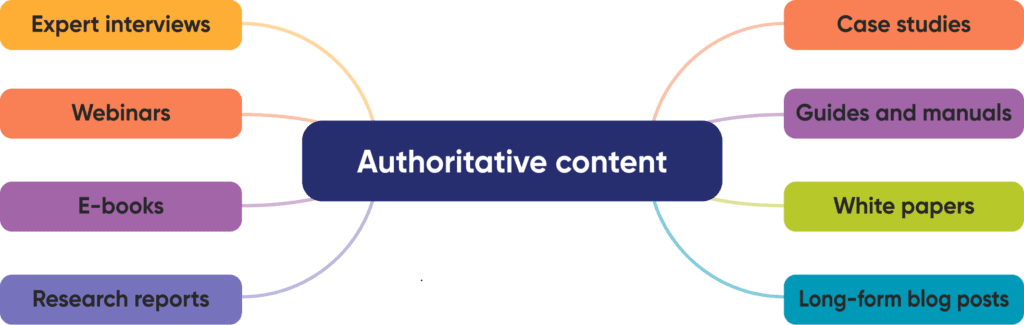
Enhance author bios with credentials to signal authority. AI may weigh these when selecting sources. Combine this with unique data points to stand out.
6. Maintain Content Freshness
Updating content is vital for AI search optimization, as platforms often favor recent material. Even evergreen topics benefit from refreshes with new insights or data.
Identify pages with declining performance using analytics. Update by adding fresh statistics, discussing developments, or incorporating original data. This signals relevance, boosting citation chances.
Experts note that recency can outweigh perfection in AI prioritization. Regular audits ensure your content remains competitive.
Tools for Effective AI Search Optimization
Scaling AI search optimization requires robust tools. While manual testing suffices initially, advanced software provides deeper insights.
For brand monitoring, platforms track mentions across AI systems, analyzing sentiment and positions. They offer dashboards for trends and competitor benchmarks.

Technical tools validate structured data and check crawler access. For comprehensive tracking, consider solutions that automate monitoring, provide alerts, and enable historical analysis.
Here’s a table of recommended tools:
| Tool Category | Examples | Key Features |
|---|---|---|
| Brand Monitoring | Enterprise AIO solutions | Tracks citations, sentiment, competitors |
| Visibility Analytics | AI Rankings reports | Monitors prompts, trends, positions |
| Technical Validation | Rich Results Test, Robots.txt Checkers | Ensures markup and access |
| Competitor Benchmarking | Share of Voice Dashboards | Compares market share over time |
These tools transition from free methods to enterprise-level when scaling.
When to Advance Beyond Basic Testing
As your needs grow monitoring numerous topics or tracking sentiment manual methods fall short. Invest in tools for automation and depth.
Action Plan for Launching AI Search Optimization
Start small: Add statistics to an article and test queries today. This week, refine headings, update bios, and analyze competitors. These steps lay the groundwork for sustained AI search optimization success at Help Me In SEO.
Frequently Asked Questions About AI Search Optimization
What is AI search optimization?
AI search optimization is the process of adapting your content to be frequently cited and featured in responses from AI-powered platforms like chat-based search tools, AI summaries, and conversational engines.
How does AI search optimization differ from traditional SEO? Traditional SEO focuses on ranking high in search results to drive clicks and traffic. AI search optimization prioritizes earning citations and mentions in synthesized AI answers, building authority even without direct visits.
Why is AI search optimization important now?
AI-driven searches are growing rapidly, delivering higher-converting visitors who are more informed. It’s an emerging channel with less competition, offering brands a chance to gain visibility and trust quickly.
Do I need to block AI crawlers in my robots.txt file?
No ,allow them. Blocking crawlers like GPTBot or CCBot prevents your content from being considered for AI citations.



Leave a Comment