




How many backlinks should a website have? This is a question that puzzles many website owners, bloggers, and digital marketers diving into the world of search engine optimization (SEO). At HelpMeInSEO.com, we specialize in guiding businesses through the complexities of SEO to boost their online visibility. In this comprehensive guide, we’ll explore the role of backlinks, why they matter, and how to determine the right number for your site without falling into common pitfalls. Whether you’re a beginner or looking to refine your strategy, understanding backlinks is key to achieving sustainable rankings on search engines like Google.
Backlinks, often referred to as inbound or incoming links, are essentially hyperlinks from other websites pointing to your own. They act as endorsements, signaling to search engines that your content is credible and worth recommending. But the real challenge isn’t just acquiring them it’s about striking a balance that aligns with your site’s goals. As we move into 2025, with algorithm updates emphasizing quality over sheer volume, knowing how many backlinks should a website have becomes even more critical. Let’s break it down step by step.
What Are Backlinks and Why Do They Matter in SEO?
To fully grasp how many backlinks should a website have, we first need to define what they are. Backlinks are external links from one website to another. For instance, if a popular blog in your niche links to one of your articles, that’s a backlink. Search engines like Google view these as votes of confidence. The more reputable the linking site, the stronger the signal it sends about your site’s authority.
In the early days of SEO, backlinks were a straightforward metric more meant better rankings. However, with updates like Google’s Penguin algorithm, the focus shifted. Today, backlinks influence your site’s Domain Authority (DA) or Domain Rating (DR), metrics developed by tools like Moz and Ahrefs respectively. These scores help predict how well your site might rank in search results.
Why do backlinks matter? They serve multiple purposes:
- Enhancing Credibility: A backlink from a high-authority site like Forbes or a niche leader tells search engines your content is trustworthy.
- Driving Referral Traffic: Beyond SEO, backlinks can bring direct visitors. If someone clicks a link from a related article, they arrive on your site already interested in your topic.
- Improving Indexing: Backlinks help search engine crawlers discover your pages faster, leading to quicker indexing and potential ranking improvements.
- Boosting Relevance: Links from thematically similar sites reinforce your site’s topical authority, a growing factor in Google’s E-E-A-T (Experience, Expertise, Authoritativeness, Trustworthiness) framework.
At HelpMeInSEO.com, we’ve seen clients transform their rankings by focusing on strategic backlink building. But remember, not all backlinks are created equal. Spammy or irrelevant links can lead to penalties, which is why quality is paramount when considering how many backlinks should a website have.
The Importance of Backlinks in Modern SEO Strategies
In 2025, SEO is more competitive than ever, with AI-driven content creation flooding the web. Backlinks remain a cornerstone because they provide a human element real endorsements from other creators. According to a 2024 Ahrefs study, pages with more backlinks tend to rank higher, but only if those links come from diverse, authoritative domains.
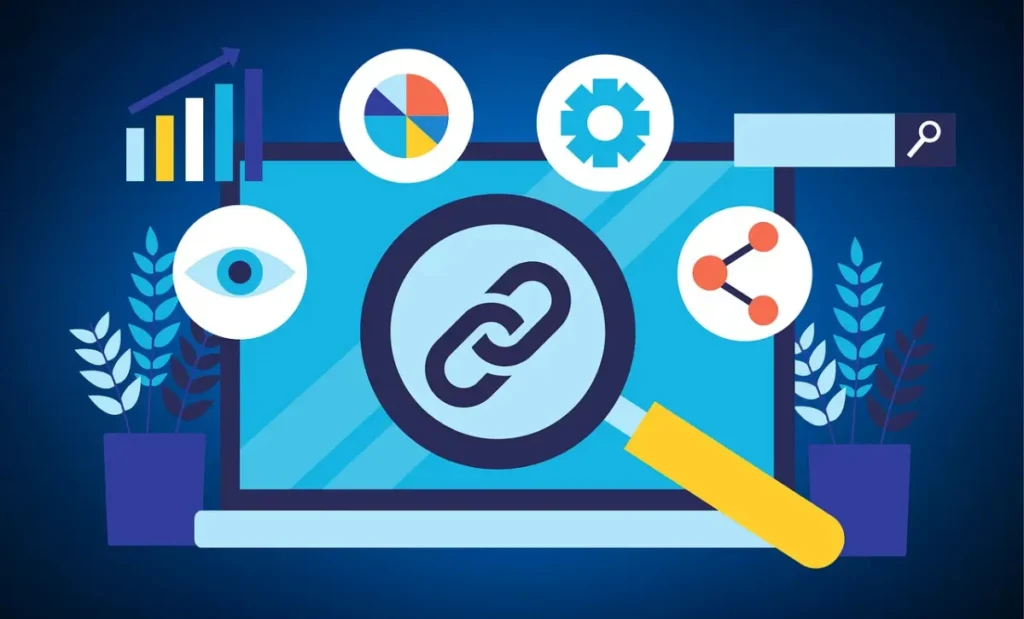
Backlinks contribute to SEO in several ways:
- Algorithmic Weight: Google’s PageRank algorithm, though evolved, still uses backlinks to assess page importance. Sites with strong backlink profiles often dominate SERPs (Search Engine Results Pages).
- Competitive Edge: Analyzing competitors’ backlinks can reveal opportunities. For example, if a rival has links from industry directories, you might target similar ones.
- Long-Term Growth: Unlike paid ads, backlinks offer ongoing benefits. A single high-quality link can drive traffic for years.
- Holistic SEO Integration: Backlinks complement on-page elements like keywords and content quality. Without them, even the best-optimized site may struggle to climb rankings.
However, over-reliance on backlinks can backfire. Google’s guidelines warn against manipulative link schemes, such as buying links or participating in link farms. Instead, aim for organic growth. At HelpMeInSEO.com, we emphasize ethical SEO practices to ensure long-lasting results. So, when pondering how many backlinks should a website have, think quality first aim for links that add real value.
Quality vs. Quantity: The Key Debate in Backlink Building
One of the biggest misconceptions in SEO is that more backlinks automatically equal better rankings. In reality, quality trumps quantity every time. A single backlink from a DA 90 site like Wikipedia can outweigh dozens from low-authority blogs.
What defines a high-quality backlink?
- Relevance: The linking site should be in a similar niche. A tech blog linking to your software review is gold; a random food site isn’t.
- Authority: Use tools like Moz’s DA or Ahrefs’ DR to gauge this. Higher scores indicate stronger influence.
- Natural Anchor Text: Avoid over-optimized anchors like “best SEO services.” Opt for natural phrases like “learn more about SEO at HelpMeInSEO.com.”
- Dofollow vs. Nofollow: Dofollow links pass “link juice” (SEO value), while nofollow don’t. A mix is ideal for a natural profile.
- Traffic Potential: Links from sites with real visitors drive more than just SEO benefits.
On the flip side, low-quality backlinks from spammy directories or irrelevant forums can harm your site. Google’s disavow tool exists for a reason: to reject toxic links.
Balancing this means auditing your profile regularly. For new sites, starting with 10-20 high-quality backlinks can kickstart growth. Established sites might aim for hundreds, but always prioritize relevance. How many backlinks should a website have? It depends on your stage focus on building 5-10 quality links per month rather than chasing numbers.
Factors Influencing the Ideal Number of Backlinks
There’s no universal number for how many backlinks should a website have because it varies by context. Here are key factors to consider:

- Industry Competition: High-competition niches like finance or e-commerce require more backlinks. A study by Backlinko found top-ranking pages in competitive fields average 3.8 times more backlinks than lower ones.
- Website Age: New sites need fewer but stronger links to build trust. Older domains can leverage existing authority with moderate additions.
- Content Type: Evergreen content (timeless guides) attracts more links naturally than time-sensitive news.
- Site Goals: E-commerce sites might need backlinks for product pages, while blogs focus on articles.
- Domain Authority: Low-DA sites benefit from gradual increases; high-DA ones can handle more without looking suspicious.
- Geographic Focus: Local businesses need links from regional sites, while global ones aim for international diversity.
For example, a small blog might thrive with 50-100 quality backlinks, while a major e-commerce platform like Amazon has millions. Use tools like SEMrush or Ahrefs to benchmark against competitors. Analyze their backlink count, sources, and growth rate to set informed targets.
Setting Realistic Goals for Backlink Acquisition
Avoid the trap of arbitrary numbers when deciding how many backlinks should a website have. Instead, set SMART goals: Specific, Measurable, Achievable, Relevant, Time-bound.
Start by auditing your current profile using Google Search Console or Ahrefs. Identify gaps do you lack diversity? Are most links from one domain?
Realistic benchmarks:
- New Websites (0-6 months): Aim for 10-30 backlinks. Focus on easy wins like directory submissions and social profiles.
- Growing Sites (6-24 months): Target 50-200, emphasizing guest posts and partnerships.
- Mature Sites (2+ years): 200+ , with ongoing maintenance to replace lost links.
Track progress monthly. Tools like Google Analytics can show referral traffic spikes from new links. Remember, organic growth looks natural to algorithms sudden surges raise red flags.
Proven Strategies to Build High-Quality Backlinks
Building backlinks isn’t about shortcuts; it’s about value creation. Here are battle-tested strategies:

- Guest Blogging: Write for reputable sites in your niche. Pitch unique angles, include 1-2 relevant links back to your content. Sites like Medium or industry blogs are great starts.
- Influencer Outreach: Connect with thought leaders on platforms like LinkedIn or X (formerly Twitter). Offer collaborations, such as co-authored content, in exchange for links.
- Content Promotion: Create shareable assets like infographics or in-depth guides. Promote on social media, Reddit, or forums to encourage natural linking.
- Link Reclamation: Use tools like Mention or Google Alerts to find unlinked brand mentions. Politely request the site owner add a link.
- The Skyscraper Technique: Identify top-performing content in your niche via Ahrefs’ Content Explorer. Create a superior version (e.g., more data, better visuals) and outreach to sites linking to the original.
- Resource Page Links: Find “best resources” pages and suggest your content if it fits.
- Broken Link Building: Use Ahrefs to find dead links on relevant sites. Offer your content as a replacement.
- HARO (Help a Reporter Out): Respond to journalist queries for expert quotes, often earning backlinks from high-DA news sites.
Incorporate these into your routine. For instance, dedicate one day a week to outreach. Track efforts in a spreadsheet: contacted sites, responses, and acquired links. Over time, this builds momentum without overwhelming your schedule.
Monitoring and Analyzing Backlink Performance
Once acquired, backlinks need maintenance. How many backlinks should a website have isn’t static links can break or lose value.
Essential monitoring steps:
- Use Free Tools: Google Search Console shows linking domains and top-linked pages.
- Paid Options: Ahrefs or SEMrush provide detailed metrics like anchor text distribution and toxicity scores.
- Regular Audits: Quarterly, check for lost links (sites go offline) and disavow spammy ones via Google’s tool.
- Performance Metrics: Monitor organic traffic, rankings, and referral visits. Tools like Google Analytics integrate seamlessly.
- Competitor Tracking: See how rivals’ profiles evolve to adjust your strategy.
At HelpMeInSEO.com, we offer custom audits to optimize backlink health. Look for red flags like sudden drops in DA or links from penalized sites. Proactive analysis ensures your efforts yield maximum ROI.
Overcoming Common Challenges in Backlink Building
Backlink building isn’t easy rejection rates can hit 90%. Common hurdles:
- Rejection and Low Response Rates: Personalize outreach emails. Highlight mutual benefits to improve odds.
- Intense Competition: Differentiate with unique content. Niche down to less saturated subtopics.
- Maintaining Quality: Vet potential links thoroughly. Avoid paid schemes; focus on relationships.
- Algorithm Changes: Stay updated via resources like Search Engine Journal. Adapt to shifts like Google’s emphasis on helpful content.
- Time Investment: Automate where possible, like using email templates, but never sacrifice personalization.
- Scaling for Larger Sites: Delegate to teams or agencies like HelpMeInSEO.com for efficiency.
Patience is key. One client at our agency overcame a plateau by refining outreach, gaining 50 quality links in three months and boosting traffic by 40%.
Advanced Tips for Backlink Optimization in 2025
As SEO evolves, incorporate these forward-thinking tactics:
- Leverage AI Tools: Use ChatGPT for outreach drafts, but humanize them.
- Focus on E-E-A-T: Build links from expert sources to enhance trustworthiness.
- Diversify Anchor Text: Mix branded, exact-match, and generic anchors for naturalness.
- Mobile-First Links: Prioritize sites with strong mobile performance, aligning with Google’s indexing.
- International Backlinks: For global reach, target multilingual sites.
- Measure ROI: Calculate backlink value by tracking conversions from referrals.
Integrate with other SEO elements, like internal linking, for amplified effects.

Conclusion: Finding Your Ideal Backlink Number
In summary, how many backlinks should a website have? There’s no magic number it’s about quality, relevance, and strategy tailored to your site’s unique needs. For most, starting with a focus on 20-50 high-quality links and scaling naturally yields the best results. Prioritize ethical methods, monitor progress, and adapt to changes.
FAQs
1.What are backlinks, and why are they important for SEO?
Backlinks are links from other websites to yours, acting as votes of trust. They boost your site’s credibility, rankings, and traffic.
2.How many backlinks should a website have?
There’s no fixed number. Focus on 20-50 high-quality, relevant backlinks for new sites, scaling naturally based on niche and goals.
3.What’s the difference between quality and quantity in backlinks?
Quality backlinks from authoritative, relevant sites outweigh numerous low-quality ones. Prioritize relevance and domain authority.
4.How can I build high-quality backlinks?
Use strategies like guest blogging, influencer outreach, content promotion, link reclamation, and the Skyscraper Technique.
5.How do I monitor my backlink performance?
Use tools like Google Search Console, Ahrefs, or SEMrush to track links, audit for toxic ones, and measure traffic and rankings.
6.Can too many backlinks harm my website?
Yes, low-quality or spammy links can lead to penalties. Focus on ethical, organic link-building to avoid issues.





Leave a Comment