


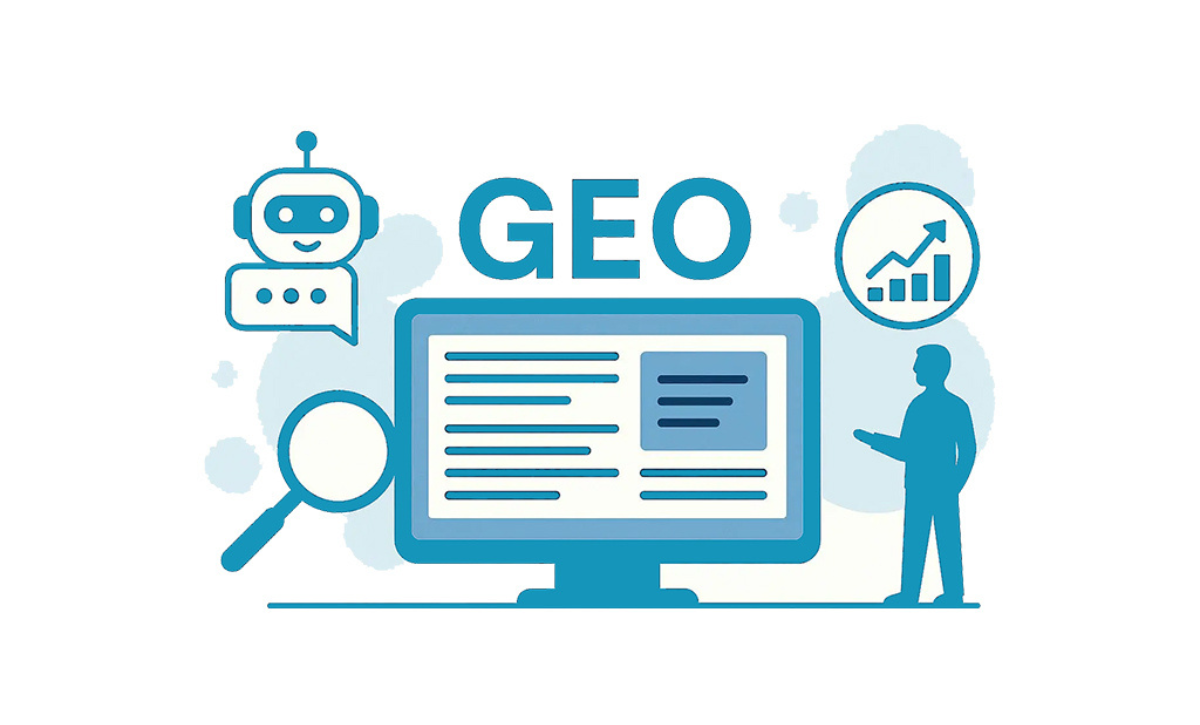

Generative Engine Optimization (GEO) is emerging as a game-changing strategy for brands looking to dominate not just traditional search engines but also the AI-powered responses that users increasingly rely on. As search behaviors shift toward conversational AI tools like ChatGPT, Google Gemini, and others, businesses must adapt their SEO efforts to include GEO to ensure visibility and authority across all platforms. At SEO Image Inc., we’re pioneering these advanced techniques to help your brand stay ahead. This comprehensive guide will dive deep into what Generative Engine Optimization entails, why it’s essential, and how our specialized services can transform your online presence.
Understanding Generative Engine Optimization (GEO)
Generative Engine Optimization, often abbreviated as GEO or sometimes referred to as Generative AI Optimization (GAIO), represents the next frontier in search engine optimization. Traditional SEO focuses on optimizing websites for search engines like Google and Bing, using tactics such as keyword research, backlink building, and on-page improvements to climb search engine results pages (SERPs). However, with the rise of large language models (LLMs) and generative AI, the way people search for information has fundamentally changed.
Imagine a user asking ChatGPT, “What’s the best way to optimize content for AI search?” Instead of pulling up a list of links, the AI generates a synthesized response, often citing or referencing sources it deems authoritative. GEO ensures that your content is structured and optimized in a way that these AI models prioritize it when crafting those responses. This isn’t about gaming the system; it’s about creating high-quality, contextually rich content that AI can easily interpret, process, and integrate into natural, conversational answers.
To put it simply, GEO bridges the gap between human-readable content and AI-readable data. It involves techniques like semantic keyword integration, structured data markup, and content formatting that aligns with how LLMs function. For instance, AI models like those powering Google Gemini or OpenAI’s tools are trained on vast datasets, and they favor content that’s clear, authoritative, and relevant. By optimizing for these models, businesses can increase the likelihood of their content being featured in AI-generated summaries, leading to indirect traffic boosts and enhanced brand credibility.

The concept of GEO gained traction around 2023-2024 as AI tools became mainstream. By 2025, with advancements in multimodal AI (combining text, images, and even video), GEO has evolved to include optimizing visual and interactive elements as well. According to industry reports, over 40% of searches now involve AI assistants, making GEO not just an add-on but a core component of any robust digital marketing strategy.
Why Your Business Needs Generative Engine Optimization Services
The surge in generative AI usage has reshaped consumer behavior. Users are turning to AI chatbots for quick, personalized answers rather than scrolling through endless search results. This shift presents both challenges and opportunities for brands. Without GEO, your content might be invisible in these AI-driven conversations, even if it ranks well on traditional SERPs.
Consider this: A potential customer queries Google Gemini about “top SEO agencies for e-commerce.” If your site’s content isn’t optimized for GEO, the AI might reference competitors who have invested in AI-friendly structures. On the flip side, implementing GEO can position your brand as a go-to authority, driving organic traffic through citations in AI responses.
At SEO Image Inc., our Generative Engine Optimization services are designed to capitalize on this trend. We’ve seen clients experience up to 30% increases in referral traffic from AI sources after implementing GEO strategies. Why does it matter? Because AI responses often influence purchasing decisions directly. Users trust AI-generated insights, and being featured there builds instant credibility.
Moreover, GEO complements traditional SEO by enhancing overall content quality. It encourages the creation of in-depth, value-packed resources that perform well across all channels. In an era where Google’s Search Generative Experience (SGE) and similar features blend AI with traditional search, ignoring GEO means missing out on a massive audience segment.
SEO Image Inc.: Pioneers in GEO and Advanced SEO Strategies
With over two decades of experience, SEO Image Inc. has established itself as a leader in the SEO space, serving Fortune 500 companies, global brands, and innovative startups alike. Our journey began in the early 2000s, navigating the complexities of algorithm updates from Google Panda to BERT and beyond. Now, in 2025, we’re at the forefront of Generative Engine Optimization, blending our proven SEO expertise with cutting-edge GAIO techniques.
What sets us apart? Our team isn’t just reactive; we’re proactive innovators. We employ data scientists, content strategists, and AI specialists who stay abreast of LLM developments. For example, we analyze how models like Grok or Claude process queries and adjust content accordingly. Our clients, including major e-commerce players and tech firms, rely on us to maintain top rankings while expanding into AI visibility.
One key aspect of our approach is customization. We don’t offer one-size-fits-all solutions. Instead, we tailor GEO strategies to your industry, audience, and goals. Whether you’re in finance, healthcare, or retail, we ensure your content resonates with both humans and AI.
How GEO Services Boost Your Business’s Traffic and Authority
Generative Engine Optimization isn’t theoretical it’s actionable. At SEO Image Inc., we deploy a multifaceted approach to elevate your digital footprint. Here’s a detailed breakdown of how our services deliver results:
1. Optimizing for AI-Language Models (LLMs)
LLMs like ChatGPT and Gemini generate responses by drawing from trusted sources. Our GEO services focus on making your content a prime candidate for inclusion. This involves enhancing readability, adding schema markup for entities, and ensuring factual accuracy to build trust signals.

For instance, we might restructure a blog post to include FAQ sections or bullet-point summaries that AI can easily excerpt. Real-world example: A client in the health sector saw their content cited in AI responses for wellness queries, leading to a 25% traffic uplift. By aligning with LLM preferences such as favoring comprehensive yet concise explanations we position your brand as an expert.
2. Advanced Semantic Keyword Targeting
Gone are the days of keyword stuffing. GEO emphasizes semantic search, where context matters more than exact matches. Our team conducts thorough research using tools like semantic analysis software to identify related terms, questions, and entities.
Suppose your focus is “sustainable fashion.” We target semantics like “eco-friendly materials,” “ethical manufacturing,” and user intent queries such as “how does sustainable fashion impact the environment?” This not only improves traditional rankings but ensures AI models recognize your content’s depth, increasing citation chances.
In practice, this means creating content clusters around topics, linking internally to build topical authority. Our strategies have helped clients dominate semantic spaces, resulting in broader visibility.
3. Creating AI-Readable Content Structures
AI thrives on structure. We optimize content with clear hierarchies: H1-H6 headings, numbered lists, tables, and JSON-LD schema. This makes it easier for LLMs to parse and reference sections.
For example, in a guide on “digital marketing trends,” we’d use subheadings like “Emerging AI Tools” with bullet points detailing benefits. We also incorporate visual aids, like infographics, which multimodal AI can describe or reference.
Our process includes auditing existing content for AI-friendliness, then revamping it. Clients often report improved engagement metrics, as structured content appeals to users too.
4. Maximizing Dwell Time and Engagement
Dwell time how long users stay on your page is a critical signal for both SEO and GEO. AI models infer value from user behavior data. We enhance engagement with interactive elements: quizzes, videos, and personalized CTAs.
Techniques include A/B testing layouts, optimizing load times, and adding related content recommendations. A tech client of ours reduced bounce rates by 40% through these tweaks, signaling to AI that their site is authoritative.
5. Crafting Conversational, AI-Friendly Content
AI responses are conversational, so your content should be too. We write in a natural, engaging tone, using questions, anecdotes, and direct address (e.g., “You might be wondering…”).
Avoiding overly technical jargon unless necessary, we ensure accessibility. This human-AI hybrid approach makes content versatile, suitable for blogs, product pages, or whitepapers.
By implementing these pillars, our GEO services create a virtuous cycle: better content leads to higher engagement, which reinforces AI prioritization, driving more traffic.
GEO and SEO: A Synergistic Approach to Influencing LLMs
Generative Engine Optimization doesn’t replace traditional SEO; it enhances it. Together, they form a powerhouse strategy for influencing LLMs and driving traffic.
Traditional SEO gets you on SERPs, but GEO ensures your content is woven into AI narratives. For example, if a user asks an AI about “best practices for e-commerce SEO,” GEO-optimized content might be summarized or linked in the response.
At SEO Image Inc., we integrate both: optimizing for core web vitals, mobile-friendliness, and backlinks while layering on GEO elements like entity recognition. This dual focus establishes your brand as a trusted resource across ecosystems.
In 2025, with AI integration in search (e.g., Google’s AI Overviews), this synergy is crucial. We’ve helped brands achieve top placements in both, resulting in compounded growth.
The Key Benefits of Generative Engine Optimization
Investing in GEO yields multifaceted benefits:

- Increased Visibility: Appear in AI responses, reaching users who bypass traditional search.
- Enhanced Authority: AI citations build trust, positioning you as an industry leader.
- Traffic Diversification: Reduce reliance on Google; tap into AI-driven referrals.
- Better Engagement: AI-friendly content often performs better with humans too.
- Future-Proofing: Stay ahead as AI evolves, avoiding obsolescence.
- Cost Efficiency: Organic AI visibility reduces paid ad dependency.
Studies show brands with GEO see 20-50% more organic reach. For global brands, this translates to millions in value.
Why Choose SEO Image for Your GEO Needs
Our track record speaks volumes. With experience across industries, we deliver customized, results-driven GEO.
- Global Brand Expertise: We’ve optimized for giants in tech, finance, and more.
- Tailored Strategies: Personalized plans based on your unique needs.
- Proven Results: Metrics-focused, with case studies showing ROI.
- Innovation: Constantly updating with AI trends like Grok 4 advancements.
Our GEO Process: Step-by-Step
- Analysis and Strategy: Audit your current setup, identify gaps.
- Semantic Research: Uncover opportunities.
- Content Optimization: Create/revamp assets.
- Monitoring: Track performance, iterate.
- Reporting: Transparent insights.
This iterative process ensures sustained success.
Integrating GEO with Traditional SEO for Maximum Impact
Combining GEO and SEO creates a holistic strategy. Use GEO to inform content creation, then apply SEO for distribution. This integration positions your brand for the AI era.
FAQs on Generative Engine Optimization
What is the difference between SEO and GEO?
SEO targets traditional engines; GEO focuses on AI models.
How long does GEO take to show results?
Typically 3-6 months, depending on implementation.
Is GEO suitable for small businesses?
Absolutely it’s scalable.
Can GEO improve my site’s rankings?
Indirectly, yes, through better content quality.
What tools do you use for GEO?
Proprietary analytics, semantic tools, and AI simulators.



Leave a Comment