



Small Business SEO is one of the most critical strategies for growing your brand online in 2025. With the majority of consumers searching online before making a purchase, optimising your website for search engines is no longer optional. Small businesses that implement effective SEO techniques can compete with larger companies, attract targeted traffic, and convert visitors into loyal customers.
This comprehensive guide explores essential strategies, actionable tips, and best practices for boosting your online presence with small business SEO. From keyword research and on-page optimisation to link building and local SEO, this article covers everything you need to know to succeed.
1. Understanding Small Business SEO
SEO, or search engine optimisation, is the process of improving your website so that it ranks higher in search engine results pages. For small businesses, SEO is especially important because it allows you to:
- Increase online visibility
- Attract relevant and targeted traffic
- Build credibility and trust with potential customers
- Generate leads and sales without expensive ads
Small Business SEO focuses on strategies that are cost-effective, scalable, and tailored to smaller budgets. Unlike large enterprises, small businesses often have fewer resources, making a smart, strategic approach essential.
2. Conducting Keyword Research

Keyword research is the foundation of any SEO strategy. To optimise your small business website, you need to know what your target audience is searching for. Steps include:
- Identify Your Niche: Understand the specific problems your business solves.
- Use Keyword Tools: Google Keyword Planner, Ahrefs, SEMrush, and Ubersuggest can help find high-value keywords.
- Focus on Long-Tail Keywords: These phrases are longer, more specific, and less competitive, making it easier for small businesses to rank.
- Analyze Search Intent: Understand whether users are looking to buy, learn, or compare.
For example, instead of targeting “coffee shop,” consider “best coffee shop near downtown Chicago.” Long-tail keywords attract visitors who are ready to take action.
3. On-Page SEO Best Practices
Optimising each page of your website is crucial for search engines to understand your content. Key on-page SEO practices include:
- Title Tags: Include your focus keyword naturally.
- Meta Descriptions: Summarise the page content in 140–160 characters with the focus keyword.
- Header Tags: Use H1 for titles and H2/H3 for subheadings to structure content.
- URL Structure: Keep URLs short, descriptive, and keyword-rich.
- Internal Linking: Link to other relevant pages to guide users and improve crawlability.
- Content Optimisation: Use keywords naturally, answer user questions, and maintain readability.
- Image Optimisation: Add descriptive alt text and compress images for faster load times.
These on-page techniques ensure that search engines can index your website correctly and understand its relevance to user queries.
4. Creating High-Quality Content
Content is the backbone of small business SEO. High-quality content:
- Provides value to your audience
- Demonstrates expertise and authority
- Encourages engagement and sharing
Tips for creating optimised content include:
- Answer Common Questions: Address your customers’ needs and problems.
- Use a Conversational Tone: Make your content approachable and easy to read.
- Include Visuals: Infographics, images, and videos improve engagement.
- Regular Updates: Refresh old content to maintain relevance and rankings.
- EEAT Principles: Focus on Experience, Expertise, Authoritativeness, and Trustworthiness.
Remember, Google rewards content that satisfies user intent, keeps visitors on your site, and encourages interaction.
5. Local SEO for Small Businesses
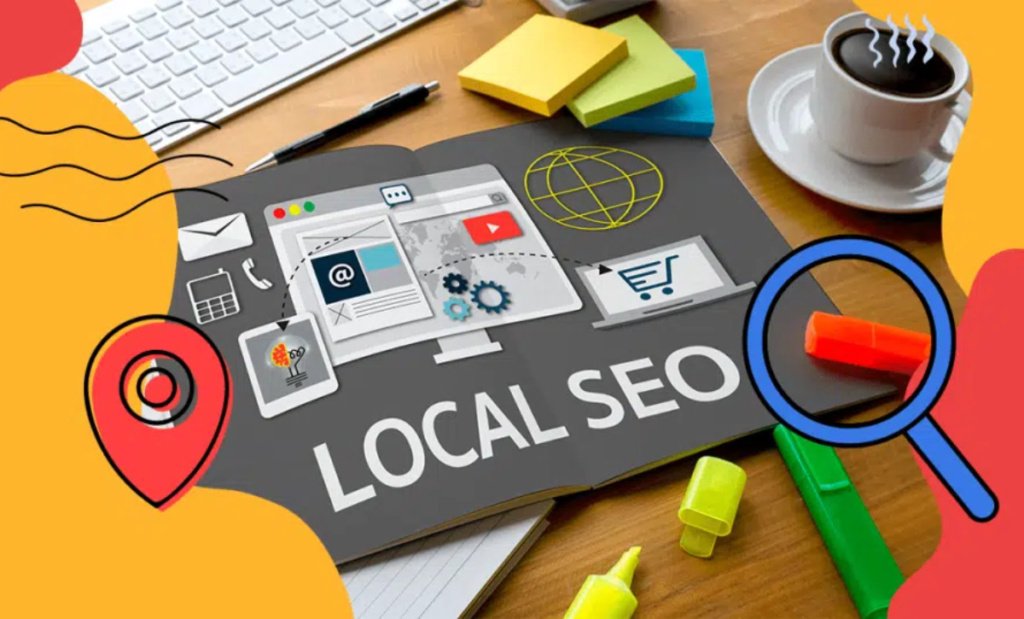
Local SEO helps small businesses attract nearby customers and dominate local search results. Strategies include:
- Google Business Profile: Claim and optimise your profile with accurate business information.
- Local Keywords: Include city or neighborhood names in your content and meta tags.
- NAP Consistency: Ensure your Name, Address, and Phone number are consistent across all platforms.
- Local Backlinks: Get mentions from local organizations, blogs, or news outlets.
- Reviews and Ratings: Encourage happy customers to leave positive reviews on Google and Yelp.
Local SEO ensures that potential customers in your area can find your business quickly, increasing foot traffic and conversions.
6. Technical SEO Essentials
Technical SEO ensures that your website functions properly and can be easily crawled by search engines. Key areas include:
- Mobile-Friendliness: Google uses mobile-first indexing; your site must look good on all devices.
- Site Speed: Slow websites hurt rankings; optimise images and use caching.
- Secure Website: HTTPS is a ranking factor and builds user trust.
- XML Sitemap: Helps search engines index your website efficiently.
- Robots.txt: Controls which pages search engines can crawl.
By fixing technical issues, your website becomes more accessible, which improves rankings and user experience.
7. Link Building Strategies
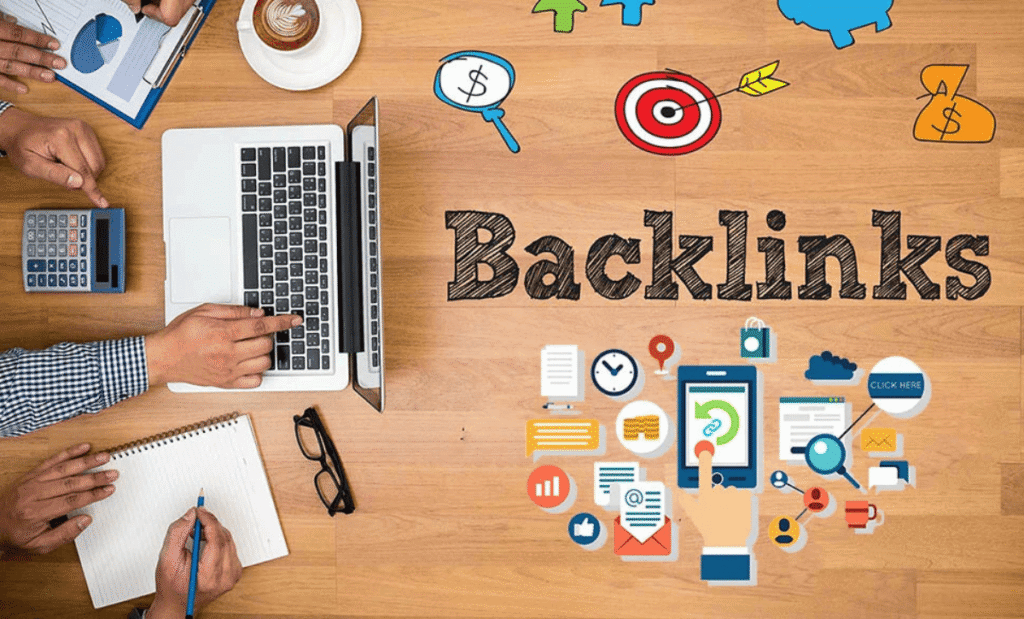
Backlinks from credible websites signal authority to search engines. Small business SEO link-building strategies include:
- Guest Blogging: Write for industry-related blogs to earn backlinks.
- Local Partnerships: Collaborate with local businesses or associations for mutual links.
- Content Promotion: Share content on social media and encourage sharing.
- Directories and Listings: Submit your website to relevant, high-quality directories.
Backlinks remain a core ranking factor, so focus on quality over quantity to improve domain authority.
8. Measuring and Tracking SEO Performance
To understand the effectiveness of your small business SEO efforts, track metrics using tools like Google Analytics and Google Search Console:
- Organic Traffic: Measures the number of visitors arriving via search engines.
- Keyword Rankings: Track positions for your target keywords.
- Bounce Rate: Indicates if visitors find your content relevant.
- Conversions: Track actions such as purchases, form submissions, or sign-ups.
- Backlinks: Monitor the number and quality of referring domains.
Regularly analysing these metrics helps identify opportunities for improvement and guides future SEO strategies.
9. Optimising for Voice Search
With the rise of voice assistants like Alexa and Siri, optimising for voice search is becoming essential:
- Use conversational, natural language in your content.
- Target question-based keywords (e.g., “how can I improve small business SEO?”).
- Ensure your website loads quickly and is mobile-friendly.
Voice search optimisation can capture a new audience segment and increase local visibility.
10. Leveraging Social Media for SEO

Social media doesn’t directly improve SEO rankings, but it amplifies content visibility and engagement:
- Share blog posts on Facebook, LinkedIn, Instagram, and Twitter.
- Encourage social sharing and interactions.
- Use social platforms to generate backlinks and referral traffic.
An integrated approach combining SEO and social media strengthens your overall digital presence.
11. Common SEO Mistakes Small Businesses Should Avoid
To succeed in small business SEO, avoid these pitfalls:
- Ignoring Mobile Optimisation: A non-responsive site loses both rankings and customers.
- Keyword Stuffing: Overusing keywords harms readability and SEO.
- Duplicate Content: Repeated content can lead to penalties.
- Neglecting Local SEO: Missing local opportunities can reduce nearby customer traffic.
- Not Tracking Performance: Without analytics, you cannot measure success or make improvements.
By avoiding these errors, you maintain a strong SEO foundation for long-term growth.
12. Tips for Continuous SEO Improvement
SEO is ongoing. For lasting results, small businesses should:
- Regularly update blog content
- Monitor competitors’ strategies
- Experiment with new keywords and topics
- Invest in technical SEO enhancements
- Stay updated with search engine algorithm changes
Consistency and adaptation are key to maintaining high rankings and relevance in search results.
Conclusion
Small Business SEO is the cornerstone of a successful online presence. By implementing the strategies outlined in this guide—including keyword research, content optimisation, local SEO, technical enhancements, and link building—small businesses can attract targeted traffic, build credibility, and grow revenue without massive marketing budgets.
The digital landscape is competitive, but with a strategic approach to SEO, small businesses can not only compete but thrive. Start implementing these tips today, monitor results, and continue optimising your website to maximise visibility and reach your audience effectively.
FAQs: Small Business SEO
Q1. How long does it take to see results from small business SEO?
Typically, noticeable results appear in 3–6 months, depending on competition, content quality, and optimisation efforts.
Q2. Can small businesses compete with larger brands in SEO?
Yes. By targeting long-tail keywords, focusing on local SEO, and creating high-quality content, small businesses can outrank bigger brands.
Q3. What is the most important factor for small business SEO?
High-quality content that satisfies user intent, combined with a technically sound website and strong backlinks, is essential.
Q4. Should I hire an SEO expert or do it myself?
Small businesses with limited knowledge may benefit from an expert, but with tools, guidance, and consistent effort, DIY SEO can also be effective.
Q5. How often should I update my SEO strategy?
Review and update your SEO strategy at least quarterly to keep up with algorithm changes, trends, and performance insights.
Q6. What is the difference between on-page and off-page SEO?
On-page SEO refers to optimising elements on your website (titles, content, headings), while off-page SEO focuses on external factors like backlinks and social signals.
Q7. How important is mobile optimisation for small business SEO?
Mobile optimisation is critical because Google uses mobile-first indexing. A responsive, fast-loading site improves both rankings and user experience.
Q8. Can blogging help my small business rank faster?
Yes. Regular, high-quality blog posts targeting relevant keywords attract organic traffic and improve your site’s authority.
Q9. How do I choose the right keywords for my small business?
Focus on long-tail, low-competition keywords that match your audience’s intent. Use tools like Google Keyword Planner or SEMrush for research.
Q10. How can I improve local SEO for my small business?
Claim and optimise your Google Business Profile, include location-specific keywords, and collect positive customer reviews.
Q11. Do I need social media to boost SEO?
While social media doesn’t directly improve rankings, it increases content visibility, traffic, and potential backlinks.
Q12. How often should I update old blog posts?
At least once every 6–12 months to refresh content, update statistics, and maintain rankings.
Q13. What common mistakes should I avoid in small business SEO?
Avoid keyword stuffing, duplicate content, ignoring mobile optimisation, neglecting local SEO, and failing to track performance.

Leave a Comment