

Every company, regardless of its size, should have the opportunity to expand online without incurring significant expenses for tools and training, according to HelpmeinSEO. Although SEO is sometimes perceived as a complex, costly, and time-consuming process, there are many free tools available that can make the process easier.
Whether you’re just getting started with your website, running a blog, or want to boost your company’s exposure, the correct combination of free SEO resources may put you on the right track. You can improve your search engine ranks, draw in new clients, and establish long-term online credibility without breaking the bank with a little perseverance and education.
This article compiles a list of some of the best free SEO tools to help you plan, execute, and monitor your SEO activities. You can also check out HelpmeinSEO’s website for more assistance.
Table of Contents
Free SEO Resources You Can Learn and Apply
1. Learning the Basics of SEO

Understanding SEO is the first step before diving into tools and strategies.
- What SEO Really Means – SEO is the process of optimizing your website so that it ranks higher on search engines like Google. It involves improving your site’s content, structure, and authority.
- How Search Engines Work – Google uses crawlers (bots) to scan web pages, index them, and rank them based on relevance and quality. Knowing this helps you create content that is search engine-friendly.
- Why SEO Is Important – Unlike paid ads, SEO builds long-term visibility. Once your website ranks, you’ll get consistent traffic without ongoing ad spend.
2. On-Page and Off-Page SEO
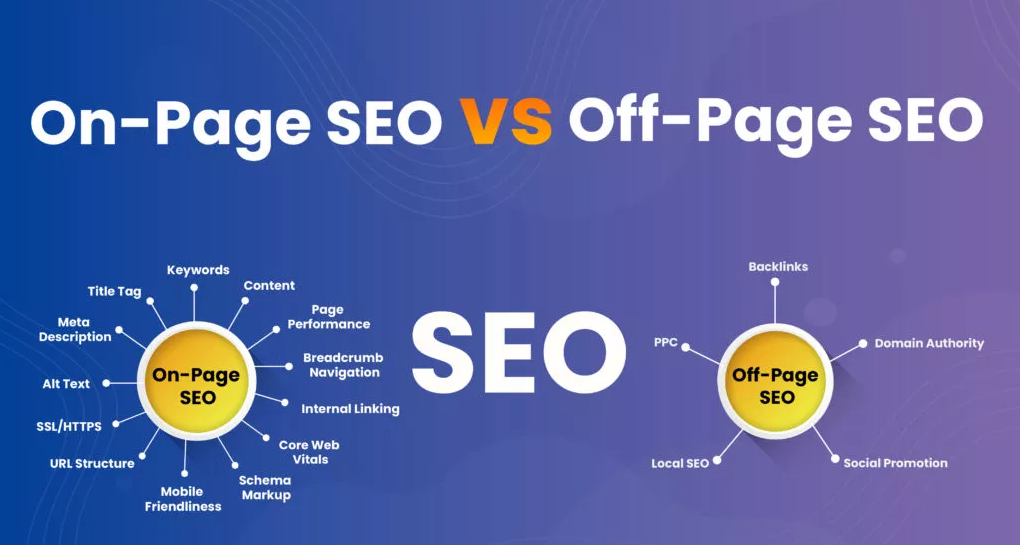
Both on-page and off-page SEO work together to strengthen your website’s ranking.
- On-Page SEO – Focuses on everything within your website. This includes optimizing page titles, meta descriptions, URLs, headers, images, and using target keywords naturally in your content.
- Off-Page SEO – Involves activities outside your website that influence authority. This includes backlinks, guest blogging, influencer collaborations, and even social media signals that drive traffic back to your site.
3. Technical SEO Made Easy
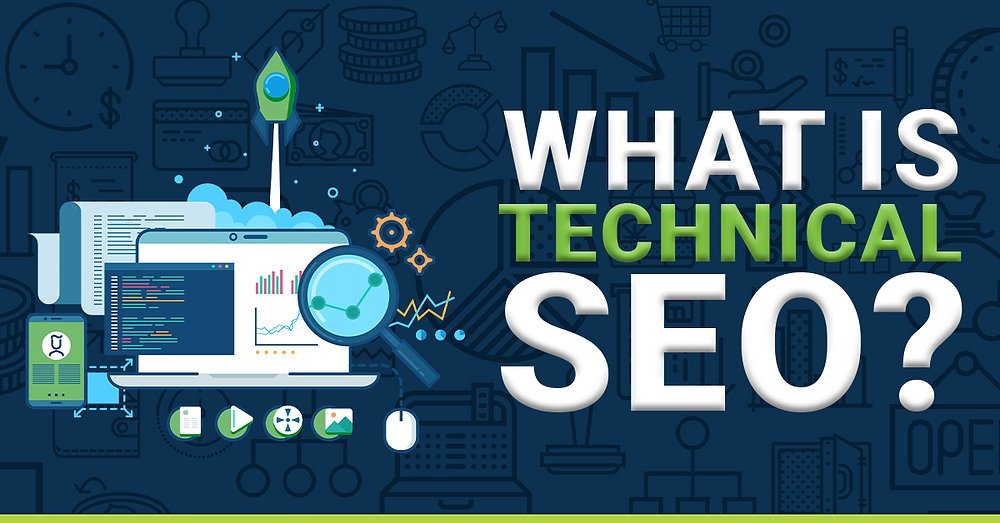
Technical SEO ensures your site is accessible to both users and search engines.
- Site Speed – A slow-loading website increases bounce rates. Tools like Google PageSpeed Insights help test and improve speed.
- Mobile Friendliness – With most searches now coming from smartphones, Google ranks mobile-friendly websites higher.
- Site Structure and Crawling – Creating a clean URL structure, XML sitemap, and internal linking helps search engines index your content effectively.
4. Keyword Research and Analysis

Without the right keywords, even the best content won’t rank.
- Keyword Discovery – Tools like Ubersuggest and Google Keyword Planner help find what people are searching for.
- Search Intent – Understanding whether users want information (informational), to make a purchase (transactional), or to compare options (navigational) ensures you target the right terms.
- Competitor Research – Analyzing competitors reveals gaps you can fill by targeting keywords they missed.
- SERP Analysis – Studying current search results shows you what type of content Google rewards for each keyword.
5. Specialized SEO Approaches
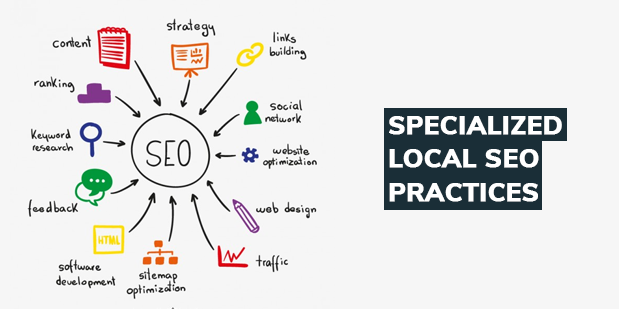
Not all businesses need the same SEO strategies—some require a targeted approach.
- Local SEO – Ideal for small businesses and services. Optimizing your Google Business Profile, collecting reviews, and using location-specific keywords help attract nearby customers.
- International SEO – Useful for brands serving audiences in different countries. It involves using hreflang tags, language targeting, and region-specific strategies.
- YouTube SEO – With video content growing, optimizing titles, descriptions, thumbnails, and tags makes your videos more discoverable both on YouTube and Google.
6. Backlinks and Content Quality
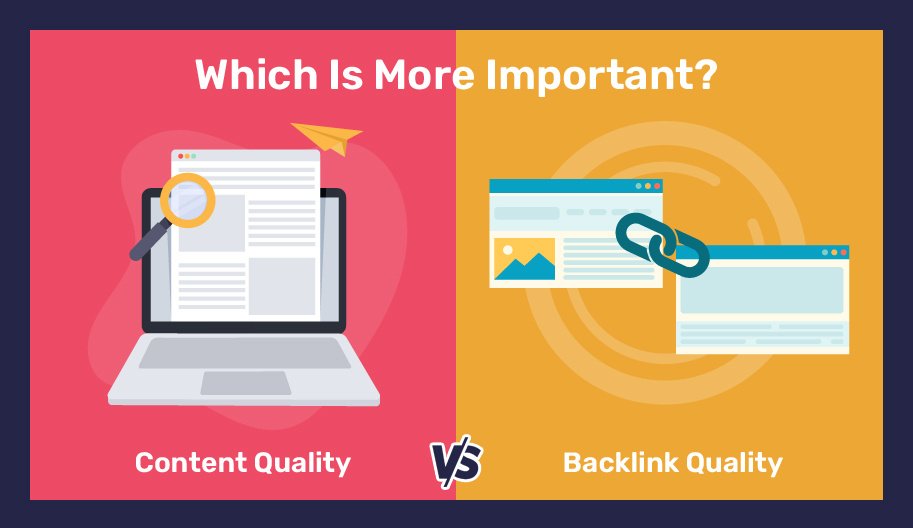
Content and backlinks go hand-in-hand in SEO success.
- Why Backlinks Matter – A backlink is like a vote of trust from another site. High-quality links from relevant sources boost your site’s authority.
- Earning Backlinks – Create shareable content such as infographics, guides, or research studies to encourage others to link back to your site.
- Content Quality – Google prioritizes content that is helpful, original, and written for users first. High-quality content also increases engagement, which improves rankings indirectly.
7. Free SEO Tools You Can Use
Several free tools make SEO easier, even for beginners.
- Ubersuggest – Offers keyword suggestions, traffic insights, and backlink data.
- AnswerThePublic – Generates questions and search queries your audience is asking online, great for content ideas.
- SEO Analyzer – Audits your website for technical errors and provides actionable recommendations.
- Backlink Checker – lets you see which websites link to you or your competitors.
- Google Search Console – Tracks your website’s performance, errors, and keyword rankings directly from Google.
- Google Analytics – Helps measure website traffic, user behavior, and conversions.
8. When to Seek Professional SEO Support

While free seo resources are excellent, they may not cover every need.
- Complex Websites – If your site has thousands of pages, professional support ensures it’s properly structured and optimized.
- Competitive Niches – When you’re competing with established brands, expert strategies are often necessary to outrank them.
- Site Migration or Redesign – Moving to a new platform or redesigning your website can risk losing traffic unless SEO is handled correctly.
- Faster Results – SEO experts use advanced tools and proven strategies to accelerate growth that might take months if done alone.
For more in-depth strategies, check out this Beginner’s Guide to SEO by Moz.
Conclusion: Build Your Growth on Free SEO Resources
Although SEO may seem difficult, it is achievable with the correct free resources. Prioritize on-page optimization and keyword research before progressively delving into technical SEO and backlink development.
Keep in mind that SEO is an ongoing practice rather than a one-time event. These resources and instructions might assist you in developing your website naturally if you are persistent and patient. Additionally, HelpmeinSEO is available to help your organization achieve quantifiable outcomes when you’re ready to expand more quickly.
FAQs
Q. Do I need to buy paid SEO tools if I’m a beginner?
No. Free tools like Ubersuggest and AnswerThePublic are powerful enough for beginners.
Q. How long before I see SEO results?
It usually takes 3–6 months with consistent efforts, though it can be faster in low-competition niches.
Q. Should I focus on content or backlinks first?
Start with content optimization. Once you have high-quality content, move on to backlinks.
Q. Is SEO a one-time setup?
No, SEO requires ongoing updates as algorithms and competition change.
Q. Can HelpmeinSEO assist if I already do SEO on my own?
Yes, we can refine your strategy and help achieve faster, more impactful results.